Students search "unblocked movies for school" daily. But most free movie sites are dangerous. Discover safer alternatives including MoMoProxy for legitimate streaming.
Every student knows the feeling. You finish a test early, or you’re sitting in a study hall with nothing to do. You pull up Netflix or YouTube, but the school’s Wi-Fi blocks it instantly. A message flashes: “Access Denied – Category: Streaming/Entertainment.”

So you start searching for things like “unblocked movies for school” or “free movies unblocked.” You’re not trying to break rules. You just want something to watch during downtime.
But here’s the problem: most of the sites you’ll find are either unreliable, risky, or both. Let’s walk through what’s actually going on, what students really use, and — most importantly — how to stay safe if you’re determined to find something to watch.
When students look for “unblocked movie websites for school,” they’re really looking for streaming sites that haven’t been added to the school’s filter yet. Unlike Netflix or Hulu (which are blocked immediately), these sites often use strange domain names, mirrored copies of popular sites, or proxy servers to sneak through.
You’ll see names like:
On the surface, they seem perfect: free, no account required, and a huge library of movies. But there’s a catch you won’t see until you click.
It’s easy to think the school is being overly strict. But the real reasons actually make sense:
Bandwidth. One student streaming a movie can use as much internet as an entire classroom doing research. If thirty students are streaming at once, the network slows down for everyone — including teachers.
Legal liability. Most “free” movie sites host pirated content. Schools that knowingly allow access to those sites could be held responsible. Filters protect the school from lawsuits.
Security. This is the one that actually matters to you. According to security reports, over 70% of free streaming sites contain malicious ads, fake download buttons, or drive-by malware. You’re not just risking a slow computer — you could be giving away saved passwords or even infecting the whole school network.
In 2023, one Texas school district had a ransomware attack traced back to a student visiting an “unblocked movies” site on a library computer. The recovery cost is over half a million dollars.
Even if you’re careful, here’s what usually happens the moment you click:
This is why security experts say the same thing over and over: free unblocked movie sites are not worth the risk. The movie might not even play, and you could spend the next week cleaning malware off your device.
You still have downtime. You still want to watch movies unblocked at school. Here are the real options, from safest to riskiest.
Before trying anything else, check what the school actually allows. Many schools don’t block:
These are all legal, safe, and often completely unblocked. You just have to check first.
Some schools will unblock streaming sites for specific free periods, lunch hours, or study halls if you ask a teacher or librarian. It sounds unlikely, but it works more often than you’d think. Schools block sites by default, but they can also make exceptions.
If you have a legitimate streaming subscription (Netflix, Hulu, Disney+, Amazon Prime, or even free legal platforms like Tubi), but your school blocks them unfairly during free time, you might consider a residential proxy.
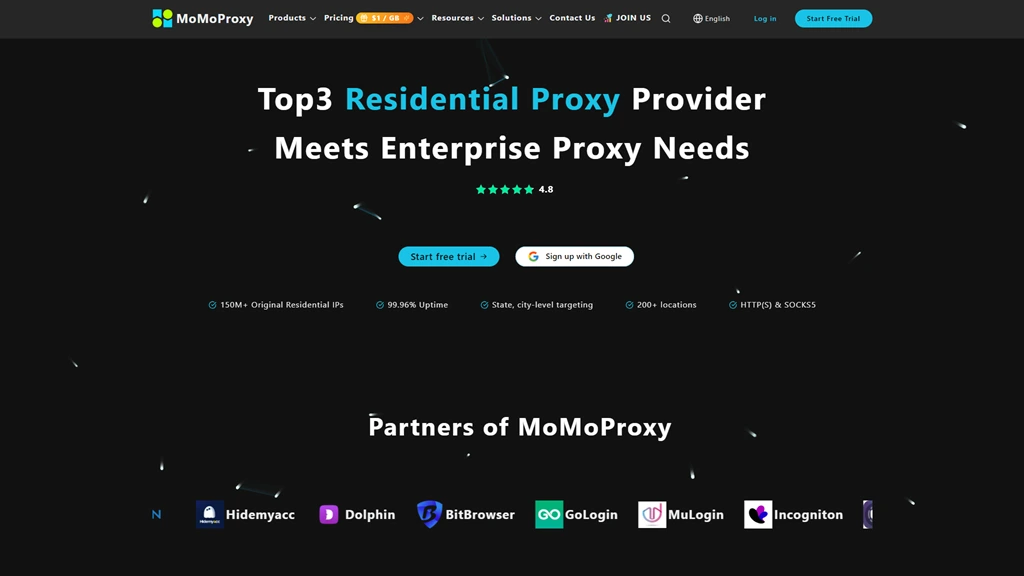
MoMoProxy is one example of a paid residential proxy service. Unlike free VPNs or proxy sites, MoMoProxy routes your traffic through real residential IP addresses. To your school’s network, your connection looks like a normal home internet user — not someone trying to bypass a filter. This makes it much harder for schools to block compared to standard VPNs (which often use datacenter IPs that get flagged immediately).
Important caveats:
For students who already pay for a streaming service and just want reliable access during study periods, a paid residential proxy can be a safe, low-hassle solution. But it’s not necessary for most people — especially if free legal options already work.
If you decide to go this route anyway, here’s how to reduce the danger:
Some students try free VPNs to get around school filters. Free VPNs almost always have problems: slow speeds, data caps, shady privacy practices, or IP addresses that schools have already blocked. In many cases, free VPNs are more dangerous than the movie sites themselves because they explicitly sell your browsing data.
| Option | Cost | Works at school? | Safe? | Legal? |
|---|---|---|---|---|
| Legal free platforms (Tubi, YouTube) | Free | Often yes | Yes | Yes |
| Ask teacher for permission | Free | Yes (if approved) | Yes | Yes |
| Paid residential proxy (MoMoProxy) | Paid | Usually yes | Yes | Yes (with legit service) |
| Standard VPN (free or paid) | Free–paid | Rarely (IPs blocked) | Sometimes | Yes (with legit service) |
| Free unblocked movie sites | Free | Sometimes | No | No |
Here’s what I’d tell a younger sibling who asked me this question:
First, check if legal, safe options are already unblocked. Tubi, YouTube free movies, and library apps often are. You might not need to bypass anything.
Second, ask before you try to sneak around. Some teachers don’t care if you watch something during a free period — they just can’t officially say yes until you ask.
Third, if you already pay for Netflix or another service and just need a reliable way to access it during free time, a paid residential proxy like MoMoProxy can be a safe investment. It’s not free, but it’s also not malicious.
Fourth, if you absolutely must use a free unblocked movie site, use a personal device (not a school laptop), never download anything, and leave the site if you see even one suspicious pop-up.
No movie is worth getting your device infected, losing your school network access, or accidentally helping a hacker get into your school’s system. The risk is real, and the payoff is usually a low-quality stream with constant interruptions.


