Introduction to Modern Email Infrastructure
In today's digital landscape, email remains the cornerstone of business communication, with over 333 billion emails sent daily worldwide. At the heart of this system lies SMTP (Simple Mail Transfer Protocol), the technical standard that enables email transmission across networks. However, modern challenges like sophisticated spam filters, IP reputation management, and deliverability optimization have necessitated advanced solutions like SMTP proxies.
This in-depth guide examines:
- The fundamental architecture of SMTP systems
- Advanced proxy implementations for enterprise email
- Security considerations in modern email routing
- Performance optimization techniques
- Emerging trends in email infrastructure
Section 1: Deep Dive into SMTP Technology
1.1 SMTP Protocol Fundamentals
SMTP operates on a client-server model using TCP port 25 by default, with encrypted alternatives:
- Port 587 (Submission): Modern standard with mandatory STARTTLS
- Port 465 (SMTPS): Legacy SSL-encrypted port still in use
- Port 2525: Common alternative when ISPs block standard ports
1.2 SMTP Command Structure
A complete SMTP session involves these core commands:
text Copy
EHLO client.example.com // Extended HELO identifies client
AUTH PLAIN [credentials] // Authentication mechanism
MAIL FROM:[email protected] // Envelope sender
RCPT TO:[email protected]// Envelope recipient
DATA // Initiates message transmission
<message headers and body> // RFC 5322 formatted content
QUIT // Terminates session
1.3 Enhanced SMTP (ESMTP) Extensions
Modern implementations support critical extensions:
- STARTTLS (RFC 3207): Opportunistic encryption
- SMTP-AUTH (RFC 4954): Authentication framework
- PIPELINING (RFC 2920): Command batching for performance
- SIZE (RFC 1870): Message size negotiation
Section 2: SMTP Proxy Architecture
2.1 Proxy Deployment Models
| Model | Use Case | Advantages |
|---|
| Forward Proxy | Outbound email from org | Centralized control |
| Reverse Proxy | Inbound email filtering | Security layer |
| Transparent | ISP-level filtering | No client configuration |
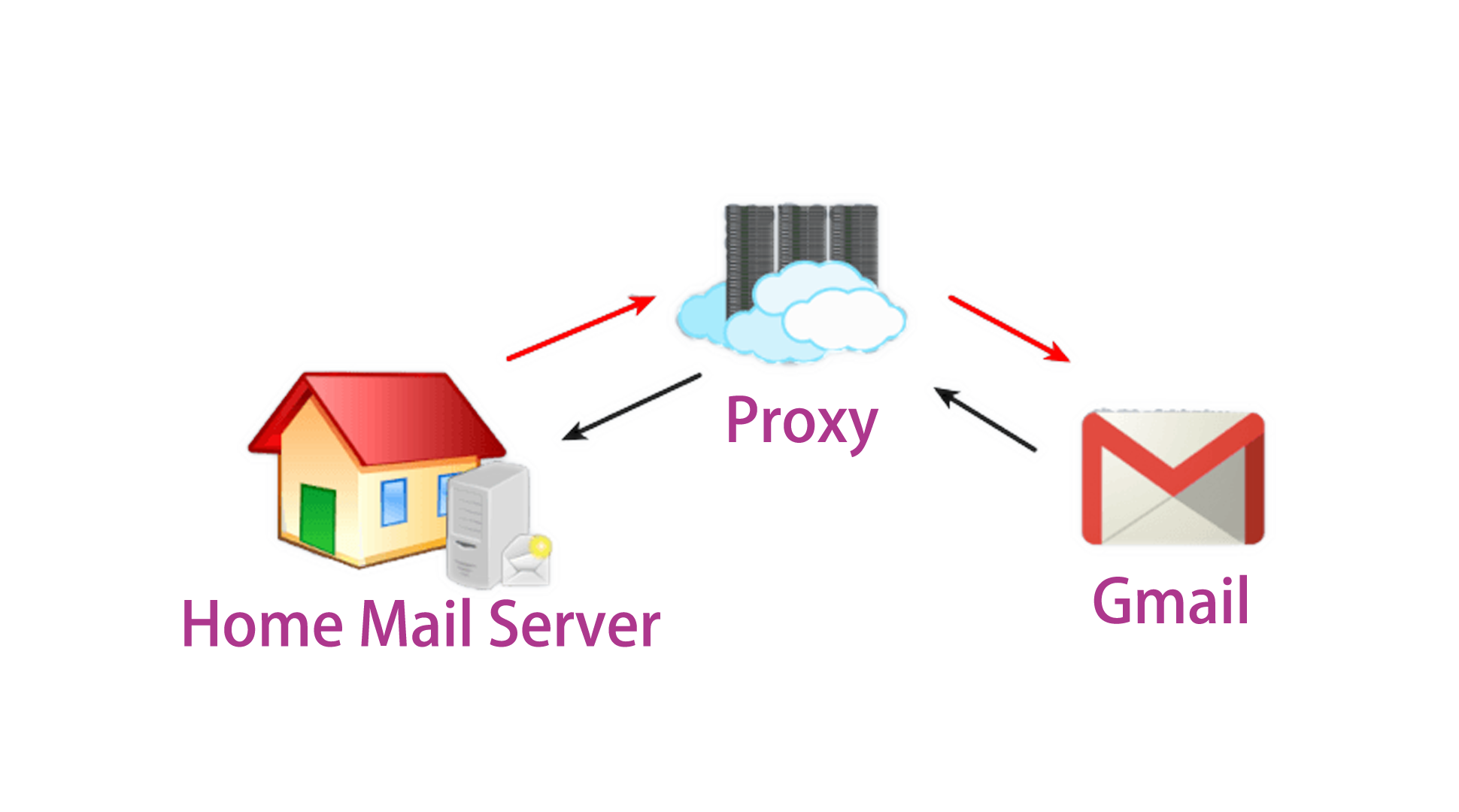
2.2 Core Proxy Components
- Connection Pool Manager: Maintains upstream server connections
- Rate Limiter: Implements leaky bucket/token bucket algorithms
- TLS Terminator: Handles encryption/decryption
- Header Rewriter: Modifies Received/Sender headers
- Queue Manager: Implements priority queues (RFC 6710)
2.3 Advanced Routing Features
- GeoDNS-based routing: Directs traffic to nearest DC
- IP reputation filtering: Blocks connections from blacklisted IPs
- Adaptive load balancing: Real-time server health monitoring
Section 3: Security Implementation
3.1 Authentication Mechanisms
| Method | Security Level | Implementation Complexity |
|---|
| PLAIN | Low | Simple |
| LOGIN | Medium | Base64 encoded |
| CRAM-MD5 | High | Challenge-response |
| OAuth 2.0 | Very High | Complex |
- Greylisting (RFC 6647): Temporary rejection of new senders
- SPF/DKIM/DMARC: Email authentication protocols
- Rate limiting: Typically 100 messages/connection maximum
- HELO/EHLO verification: Reverse DNS validation
4.1 Connection Management
Optimal settings for high-volume environments:
- Connection pooling: 50-100 persistent connections
- Timeout settings:
- Connect: 30s
- Command: 300s
- Idle: 600s
Implement priority queues with:
- Immediate queue: Time-sensitive transactions
- Bulk queue: Marketing/non-critical
- Deferred queue: Problematic messages
Critical KPIs to track:
- Delivery latency: 95% < 5 minutes
- Bounce rate: < 2% for good reputation
- TCP connection success: > 99.5%
Section 5: Emerging Trends
- SMTP over QUIC: Experimental RFC 9221
- MTA-STS (RFC 8461): Strict transport security
- TLS 1.3 adoption: Reduced handshake latency
- Predictive routing: Anticipate network congestion
- Anomaly detection: Identify compromised accounts
- Content optimization: Dynamic email rendering
Implementation Recommendations
For enterprise deployments:
-
Hardware Requirements:
- Minimum 4 CPU cores
- 8GB RAM for moderate loads
- SSD storage for queue persistence
-
Software Options:
- Open-source: Postfix, Haraka
- Commercial: Microsoft Exchange, Proofpoint
-
Cloud Solutions:
- AWS SES
- SendGrid
- Mailchimp Transactional
Modern SMTP proxy implementations have evolved into sophisticated email infrastructure components that address critical business needs:
- Security: Through comprehensive authentication and encryption
- Deliverability: Via IP reputation management
- Scalability: Using advanced connection handling
- Compliance: Meeting regulatory requirements
For optimal results, organizations should implement a layered approach combining:
- SMTP proxies for operational flexibility
- Robust authentication protocols
- Continuous monitoring systems
- Regular infrastructure audits
As email threats grow more sophisticated, maintaining a secure, high-performance SMTP infrastructure remains essential for business continuity and communication reliability.


